Waning gibbous meaning is simple: it is the lunar phase after the full moon, when the bright side is shrinking but still more than half lit. It usually points to reflection, review, and sharing what you have learned before the next quiet stretch.
If you are trying to tell it apart from other phases, think of it as the post peak stretch. The brightest part has passed, the light is easing back, and the mood is better for sorting, thanking, and editing than for chasing something new.
Where it sits in the cycle
The cycle from one full moon to the next takes about 29.5 days, so this stage is brief and easy to miss if you do not check often. It comes after the full moon and before last quarter, which is why it feels like a cool-down rather than a starting line.
Astronomically, it is still a gibbous shape, which means more than half of the disk is illuminated. The lit portion is shrinking each night, but the shape stays rounded on one side and trimmed on the other.
If you want the broader pattern, read the moon's phases, explained next, then compare it with waxing vs waning moon so the two directions stop blurring together.
What it tends to suggest in practice
In reflective traditions, this stage is associated with assessment, gratitude, and practical cleanup. People often use it to check what worked, what did not, and what can be carried forward without dragging extra clutter along.
That does not mean the phase has a built-in effect on your life. Astrology and moon work are tools for reflection and entertainment, not science, so treat the symbolism as a way to think, not a rulebook.
A useful way to read it is as the part of the month when the margin notes matter. The main event has already happened, and now you are underlining lessons, not making the first draft.
How to use it without making it mystical mush
Keep it concrete. This is a good time to finish tasks, send the thank-you note, clear the inbox, return the thing you borrowed, or trim a list that grew too long. It also works well for looking back at a habit and asking what is actually helping.
If you like ritual, keep it plain. Write down what you want to keep, what you want to release, and what needs one more pass before you call it done. A white candle or a short candle flame meditation can be enough, and both sit nicely with white candle meaning in ritual and how to do a candle flame meditation.
If your mind prefers structure, use the phase as a cleanup day for your calendar or desk. That is the point, a tidy closing motion rather than a dramatic transformation. For a wider toolkit, browse free astrology and tarot tools or pull a quick daily tarot card when you want a simple mirror.
How to read it for yourself
Start with what feels reduced, not what feels missing. The light is fading, but it is still there, so this is a good symbol for trimming excess while keeping the core intact.
A simple reading process works well here: name the thing you are reviewing, identify what is finished, note what still needs care, then decide what gets carried over. That keeps the symbolism grounded in ordinary life instead of floating off into poetry.
Example: Maya, born on June 14, writes down three items after dinner, one task she can finish, one habit that is wearing thin, and one message she needs to answer. She does not ask for a sign, she just uses the phase as a prompt to clean up loose ends. That is about as practical as lunar symbolism gets.
Names, folklore, and common mix ups
People often mix this stage up with the full moon because both can look bright from the ground. The difference is in the direction of the light, and in the story it tells: one is cresting, the other is easing back.
If you are interested in naming traditions, full moon names come from several traditions, mostly North American almanac sources. Those names belong to the full moon itself, not to this later phase, so do not pin a harvest or wolf name on it by mistake.
Another common mix up is thinking a bright sky means a supermoon or eclipse. A supermoon is a full moon near perigee, and eclipses need a full or new moon near a lunar node, so this phase on its own does not make either one happen.
For more background, full moon folklore gives the naming history, while what is a full moon called helps keep the terms straight. If you want to track the broader pattern without guesswork, use upcoming full moons or tonight's moon phase rather than relying on memory.
What to remember when you see it
The short version is that this phase asks for review, not rush. It is about editing, gratitude, and finishing with care.
You do not need to perform it perfectly, and you do not need to turn every sighting into a ceremony. A glance at the sky, a note in a notebook, or a quick tarot pull is enough if that helps you think more clearly.
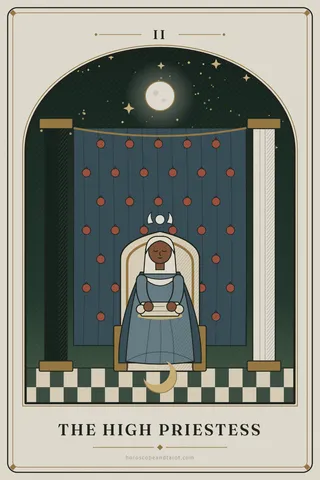
If you want a companion symbol from tarot, The High Priestess fits the mood well. She is quiet, observant, and more interested in what is beneath the surface than in loud announcements, which is exactly the sort of company this phase keeps.
Questions readers ask
What does waning gibbous mean in simple terms?
It means the moon is past full and getting smaller each night, while still showing more than half of its face. In symbolic reading, that makes it a good time for review, cleanup, and sharing what you have learned. Think less starting line, more after-action notes.
Is waning gibbous the same as a full moon?
No. A full moon is fully lit from our view, while this stage happens after that peak as the light begins to shrink. They can look similar at a glance, but the direction is different.
What should you do during a waning gibbous moon?
Finish tasks, sort priorities, and let go of clutter that no longer helps. It is also a solid time for gratitude lists, honest edits, and low-pressure reflection. If you like moon tracking, pair that with the moon through the zodiac for an extra layer.
Does this moon phase affect people in a proven way?
There is no solid proof that it directly changes mood, sleep, or behavior for everyone. Some people feel more aware of patterns during the lunar cycle, but that is personal and not a scientific guarantee. Use it as a reflection tool, not a forecast.
Drafted with AI assistance from Horoscope & Tarot’s own reference notes and checked automatically against our editorial rules. For reflection and entertainment, not prediction.


